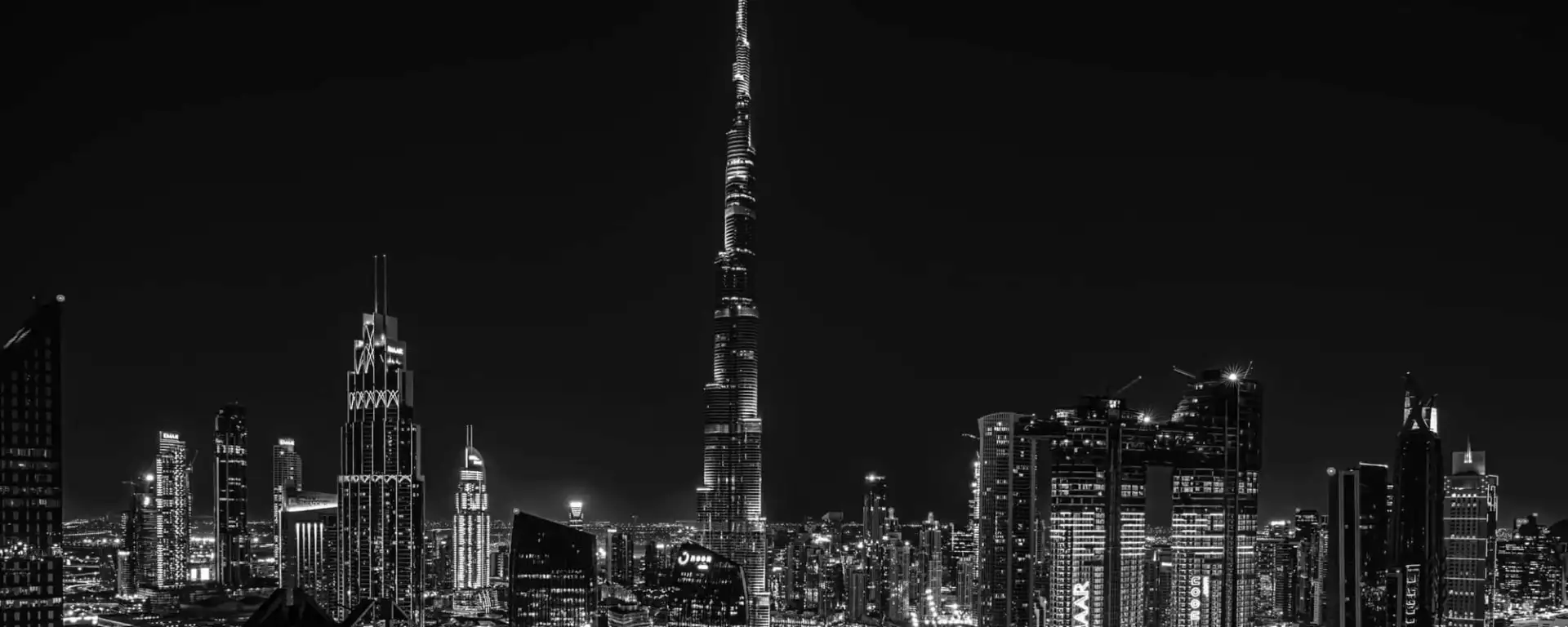
Unlike general commercial free zones, D3 was conceived with a specific focus. It is designed to serve companies whose work is creative, brand-driven or content-based. For businesses operating in those sectors, the setting and positioning can be as important as the business license itself.
It therefore tends to attract companies that value proximity to other creative firms, studios and events, as well as a location aligned with their brand identity.
Why incorporate in D3?
D3 was established in 2013 by TECOM Group. TECOM Group is a developer and operator of 10 business “free zone” districts (which also includes Dubai Internet City and Media City among others). D3 is home to many well-known premium brands and companies, with a complete mixture of retail, design, art, e-commerce activities. Brands such as Birkenstock, Bayut, Hermes, Rimowa, and Serviceplan Group are all licensed here.
D3 offers a regulatory framework tailored to creative and design-based activities, rather than a broad commercial licence structure. Applications are assessed with an understanding of fashion, architecture, media and related sectors, which can make the licensing process more aligned with how creative businesses actually operate.
The district also provides access to purpose-built office, studio and retail space within a central Dubai location. D3 has an active events calendar with fashion shows, pop-up stores and live entertainment keeping fashion designers, marketing agencies and creative entrepreneurs returning to the location time and again.
Other key features typically include:
- Full foreign ownership
- Licensing for creative, design and related commercial activities
- Office, co-working spaces, studio and retail space within a dedicated creative district
- Eligibility to apply for UAE residence visas
- Corporate tax treatment in line with UAE free zone regulations, subject to qualifying income requirements
- Proximity to fashion hubs such as the Dubai Mall, which maintains high footfall
For design studios, fashion houses and creative consultancies, the environment itself can be part of the commercial proposition. Being based in D3 signals alignment with the creative sector rather than operating from a general industrial or trading zone.
Suitable business activities
D3 is particularly suited to businesses involved in:
- Fashion design and distribution
- Architecture and interior design
- Graphic design and branding
- Media, content creation and digital production
- Art galleries and creative studios
While commercial and consultancy activities are permitted, the free zone is not intended for heavy trading or industrial operations. The nature of the proposed activity is therefore reviewed carefully during the application process.
The licence description should accurately reflect the services or products to be offered. Clarity at this stage assists with both regulatory approval and subsequent banking arrangements.
Entity types
Companies may be incorporated as:
- Free Zone Limited Liability Companies with one or more shareholders
- Branches of UAE or foreign companies
- Freelance permit
Shareholders may be individuals or corporate entities. The chosen structure should reflect ownership intentions and long-term plans, particularly where brand value or intellectual property forms part of the business.
Incorporation process
The Dubai Design District company formation process is completed through submission of an application to the D3 authority together with constitutional documents and due diligence information. In straightforward cases, approval is typically issued within a few weeks, subject to review and any required clarifications.
The principal stages are:
- Confirm the proposed activity and structure
- Reserve the company name and obtain initial approval
- Submit incorporation documents and shareholder due diligence
- Execute documents and receive the trade licence
Following licensing, the company may lease office or studio space within the district and proceed with visa and bank account applications.
While the administrative steps are defined, the more important consideration is ensuring that the activity and premises align with the creative focus of the zone.
Ongoing obligations
A registered office or leased premises within the free zone must be maintained and the licence renewed annually. Accounting records must be kept and, depending on the size and classification of the company, audited financial statements may be required.
With the introduction of UAE corporate tax, companies must assess whether they meet the criteria for qualifying free zone income. Compliance with anti-money laundering and economic substance requirements may also apply, depending on the activities undertaken.
For most creative businesses, these obligations are proportionate but require periodic review, particularly as the business grows or expands its service offering.
How Sovereign can help
Sovereign supports foreign investors on the establishment and administration of companies within Dubai Design District as part of broader UAE structuring strategies. We can help you with understanding the available activities, preparation of incorporation documentation and coordination with the free zone authority.
We also provide ongoing corporate administration support, including licence renewals and amendments to shareholding or activity where required. The objective is to ensure that the structure supports the commercial and branding objectives of the business while remaining compliant with regulatory requirements.
Explore Dubai
Please contact us if you have any questions or queries and your local representative will be in touch with you as soon as possible.