Mauritius Residency by Retirement
Mauritius offers a stable, secure and economically competitive environment for individuals seeking long-term residency during retirement. The island’s strong governance, favourable tax regime and high living standards have positioned it as a preferred destination for retirees worldwide. With the Mauritius retirement visa, non-citizens benefit from a modern infrastructure, comprehensive healthcare, as well as an internationally connected business and financial landscape.
Retired Non-Citizen Residence Permit
The Retired Non-Citizen Residence Permit is available to individuals aged 50 years or above. To qualify, applicants must demonstrate a guaranteed minimum income of USD2,000 per month or an annual total of USD24,000 that is transferred into a local Mauritian bank account, subject to the following conditions:
- Funds must originate outside Mauritius and be from lawful sources.
- Applicant must not work or engage in business activities in Mauritius under a retirement permit.
- Valid health insurance covering the applicant (and any dependants, if applicable).
- Police Clearance Certificate from the applicant’s country of residence. This must cover the last ten years and be less than six months old.
- Medical examination conducted by an approved medical practitioner.
- Proof of residential address in Mauritius (lease agreement).
The Retired Non-Citizen Residence Permit is valid for 10 years and can be renewed provided the annual transfer requirements have been consistently met. After five years of holding this permit, retirees can apply for a 20-year Permanent Residency Permit (PRP), subject to having transferred a cumulative minimum of USD200,000 over the qualifying period.
Foreign income can include emoluments, directors’ fees, annuities and pension in respect of past services, business income, rental income, investment income and interest income. The foreign income is taxable in the hand of the resident.
Dependants of Retired Non-Citizens are eligible to apply for a residence permit, allowing them to live in Mauritius for the same duration as the main holder. These include a spouse (including common law partner of the opposite sex), parents and children (including stepchildren or lawfully adopted children) who are unmarried and do not engage in any gainful activity.
The holder of a residence permit as a retired non-citizen may invest in any business, provided that they are not employed in the business and do not derive any salary or employment benefits from the business.
Senior Living Residences
Mauritius also offers purpose-built Property Development Schemes (PDS) for Senior Living for individuals aged 50 and above. These residential communities provide facilities such as clubhouses, health and fitness centres, and on-site property management services that are focused on the needs of the elderly.
Retirees may acquire a unit within an approved PDS for Senior Living project with no minimum investment threshold. Residency permits may also be obtained for the retiree and their spouse or common-law partner for as long as they own or occupy the property.
Residency through Property Acquisition
An alternative to the Retirement Visa is the residency through property ownership category for retirees, which does not impose age restrictions.
Foreign nationals can obtain residency by purchasing qualifying property valued at a minimum of USD375,000. Eligible investment options include a residential property developed under the Integrated Resort Scheme (IRS), Real Estate Scheme (RES), Property Development Scheme (PDS) or Smart City Scheme (SCS). The foreign national is also allowed to acquire an apartment located in a building of at least ground plus two floors (Ground +2).
Holders of this residency category can live, work and invest in Mauritius without requiring an additional Occupation or Work Permit.
Taxation
Mauritius provides a favourable tax regime for residents. Individuals become tax resident if they are domiciled in Mauritius, spend more than 183 days in Mauritius during a tax year or for an aggregate period of 270 days or more in the two preceding income years.
Income derived in Mauritius is subject to local income tax, while foreign income is taxable only when remitted. Effective from 1 July 2025, personal income tax rates range from 0% to 20%, depending on annual income levels. No capital gains, estate, wealth, inheritance or gift taxes apply.
Why retire in Mauritius?
Mauritius is an excellent place for retirement. Located in the Indian Ocean, the island is blessed with warm and conducive weather for eight months a year, and also offers a peaceful, safe environment and an ever-improving infrastructure and a competitive cost of living.
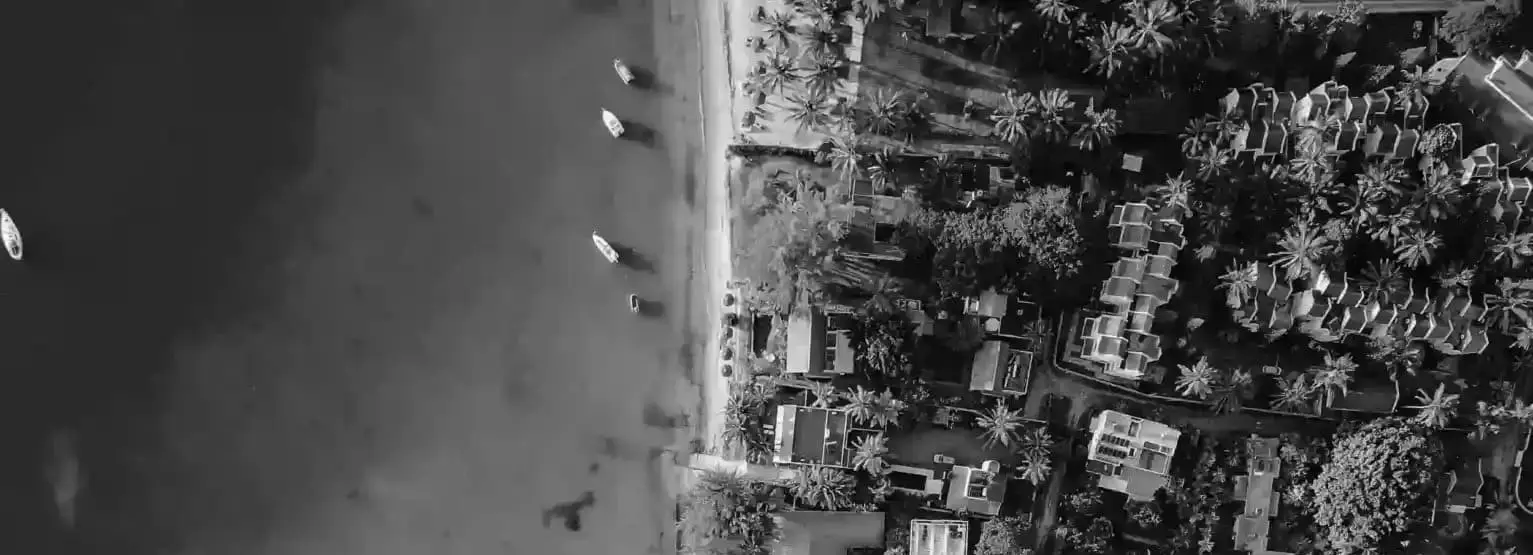
With a well-established expatriate community, Mauritius features stunning beaches, coastal towns, golf estates, marinas and provides a wealth of outdoor activities.
Support Services
Sovereign Trust Mauritius provides comprehensive guidance throughout the residency planning and application process. Services include application preparation, coordination with immigration authorities, identification of suitable investment or rental properties, assistance with company establishment, bank account opening and strategic tax planning.
Sovereign also offers a broad range of international private client services, providing professional advice on estate and succession planning, trust structures, international retirement planning, wealth management and insurance solutions.
Explore Mauritius
Please contact us if you have any questions or queries and your local representative will be in touch with you as soon as possible.